


The best way to exfoliate keratosis pilaris is chemically, with a leave-on lotion containing lactic acid, glycolic acid, salicylic acid or urea, rather than physically with scrubs, brushes or exfoliating gloves. Start two or three times a week, build up to daily if your skin is comfortable, and moisturise every day alongside it. Scrubbing tends to make the bumps redder and more noticeable, because it irritates the skin without reaching the plug inside the follicle.
Keratosis pilaris, or KP, is a build-up of keratin that plugs the openings of hair follicles, leaving small rough bumps. For a general overview of the condition, see our guide on how to get rid of keratosis pilaris. This page goes into the exfoliation part in detail: which method, which acid, how often, and how to put it together into a weekly routine.
Chemical vs physical exfoliation
Physical exfoliation removes dead skin by friction: sugar or salt scrubs, loofahs, dry brushing, exfoliating gloves and textured washcloths. Chemical exfoliation uses an ingredient that loosens the bonds holding dead skin cells together, so they shed on their own.
For KP, the difference matters because of where the problem sits. The keratin plug is lodged in the follicle opening, partly below the surface. A scrub only buffs the very top layer, and the bump is still there the next morning. A leave-on acid has hours to work its way into the follicle opening and soften the plug from within.
| Method | How it works | Effect on KP | Main risk |
|---|---|---|---|
| Scrubs, gloves, loofahs | Friction removes surface cells | Brief smoothness, bumps remain | Redness, irritation, broken skin |
| Dry brushing | Friction on dry skin | Little lasting change | Irritation, worse redness |
| Leave-on AHA lotion | Loosens bonds between dead cells | Gradual smoothing of bumps | Stinging, sun sensitivity |
| Salicylic acid | Oil-soluble, works inside the follicle | Helps red, inflamed bumps | Dryness, not for large areas in some people |
| Urea cream | Softens keratin and draws in water | Smooths and hydrates | Stinging on broken skin |
Why scrubbing backfires
Many people with KP have spent years scrubbing, because the bumps feel like something that should rub off. It rarely works, and often makes things worse.
- It cannot reach the plug. The keratin sits inside the follicle, below what friction can reach.
- It irritates the follicle. Irritation adds redness around each bump, so the skin looks more blotchy, not less.
- It can prompt more build-up. Skin responds to repeated friction by thickening, which is the opposite of what you want.
- It damages the barrier. Tiny breaks in the skin let water escape, and dry skin makes KP worse.
- It leaves marks. On deeper skin tones especially, irritation can leave dark marks that last for months.
A soft flannel or your hands in the shower is enough. If you enjoy a scrub, keep it very gentle and occasional, never on the same day as an acid, and never on red or broken skin.
Choosing an acid
Lactic acid
An alpha hydroxy acid (AHA) with a larger molecule than glycolic acid, so it tends to be gentler. It also acts as a humectant, drawing water into the skin, which helps with the dryness that drives KP. A good first choice, particularly for sensitive skin or the face.
Glycolic acid
The smallest AHA, so it penetrates quickly and works faster on rough build-up. More likely to sting at first. Often paired with lactic acid to balance speed and comfort. Our guide to lactic acid vs glycolic acid compares the two in more depth.
Salicylic acid
A beta hydroxy acid (BHA) that is oil-soluble, so it moves into the oily follicle opening. It also calms redness, which makes it a strong choice where bumps are red and inflamed rather than just rough. Avoid using it over very large areas if you are pregnant, and check with a pharmacist if you are sensitive to aspirin.
Urea
Not an acid, but a keratolytic that softens keratin while strongly hydrating. At 10 to 20 per cent it suits KP on the arms and legs, and it is widely available and inexpensive from pharmacies. Lower strengths around 5 per cent are better for the face. See our urea cream guide for how strengths compare.
Leave it on, and apply it to dry skin. Acid body washes and rinse-off products are in contact with the skin for a minute at most. A leave-on lotion applied after you have dried off gets hours to work. That single change makes more difference than which acid you pick.
How often to exfoliate
The right frequency depends on the product strength and how your skin responds. A sensible pattern for most people:
- Weeks 1 and 2: apply the acid or urea lotion every other evening, with a plain moisturiser on the other days.
- Weeks 3 and 4: move to once daily if there is no lasting stinging or redness.
- From week 5: once or twice daily as the skin tolerates. Many people find once daily is enough to keep the bumps down.
- Maintenance: once the skin is smoother, some people drop back to every other day. Stopping completely usually lets KP return within a few weeks.
Some mild tingling on application is normal with AHAs. Burning, redness that lasts for hours, or skin that looks raw means back off to fewer applications or a gentler product. Do not use two strong exfoliants on the same area at the same time, for example a glycolic lotion and a salicylic lotion, unless a professional has suggested it.
A simple weekly routine
- Every day: short, lukewarm shower with a non-soap cleanser. Pat dry.
- Every evening, or every other evening to start: leave-on acid or urea lotion on dry skin over the affected areas.
- Every morning: a plain moisturiser, plus sunscreen on any exposed areas you are treating with an AHA.
- Once or twice a week, optional: a very gentle wash with a soft flannel. No scrubs on acid nights.
- Through winter: a richer moisturiser and a humidifier if your home is very dry.
Give a routine at least six to eight weeks before deciding whether it works. The roughness usually improves first; any redness or marks fade more slowly.
Where G16 fits, and where it does not
G16 Skin Repair is a light, non-greasy leave-on body lotion with glycolic acid as its second ingredient and lactic acid behind it, so it combines the faster-acting and the gentler AHA in one product. Aloe vera, glycerin, panthenol, allantoin, vitamin E and shea butter hydrate underneath. It loosens built-up dead skin so it lifts away, which suits rough, bumpy, dry KP on the arms, thighs and buttocks.
Use it twice daily on dry skin and leave it on as long as possible, ideally around ten hours, so overnight is ideal. There is usually a flakier phase around day five to seven, a visible difference typically within the first two weeks, and a full course of 28 days. Patch test first, use sunscreen on exposed areas, and dilute it on the face as the product instructions advise.
Where it does not belong: it contains no salicylic acid and is not a urea cream, so where bumps are red and inflamed, a salicylic product may suit better. It is not for broken, raw, inflamed or infected skin, and it manages KP rather than removing the tendency. A 10 per cent urea cream from a pharmacy does a similar exfoliating job for much less, and G16 is the most expensive option compared with pharmacy creams.
When to see a GP
- Bumps that are painful, hot or full of pus, which suggests folliculitis rather than KP.
- No improvement after three months of consistent exfoliation and moisturising.
- Skin that becomes raw, cracked or persistently red from exfoliating products.
- Dark marks or scarring developing.
- KP that appeared suddenly in adulthood or is spreading quickly.
- You would like to discuss a prescription retinoid.
Common questions
An acid. Leave-on lactic, glycolic or salicylic acid, or urea, softens the keratin plug inside the follicle. Scrubs only buff the surface and tend to make KP redder and more irritated.
Start every other day for two weeks, then move to daily if your skin stays comfortable. Most people settle on once or twice daily with a leave-on product. Moisturise every day alongside it.
For rough, dry bumps, lactic or glycolic acid, or urea at 10 to 20 per cent, all work well. For red, inflamed bumps, salicylic acid often suits better. The best choice is the one your skin tolerates well enough to use every day.
Not in any lasting way. It can make the skin feel smoother for a few hours, but friction does not reach the plug and often adds redness. A leave-on chemical exfoliant and daily moisturiser are more effective and kinder to the skin.
Because KP is an inherited tendency, the follicles keep producing excess keratin. Exfoliation manages the build-up but does not change the tendency, so most people need to keep a lighter maintenance routine going to hold the results.
The product behind this guide
G16 Skin Repair is a glycolic and lactic acid body lotion for built-up, scaly and thickened skin.
200ml. Made in the UK. 21 day money back guarantee.
Keratosis treatment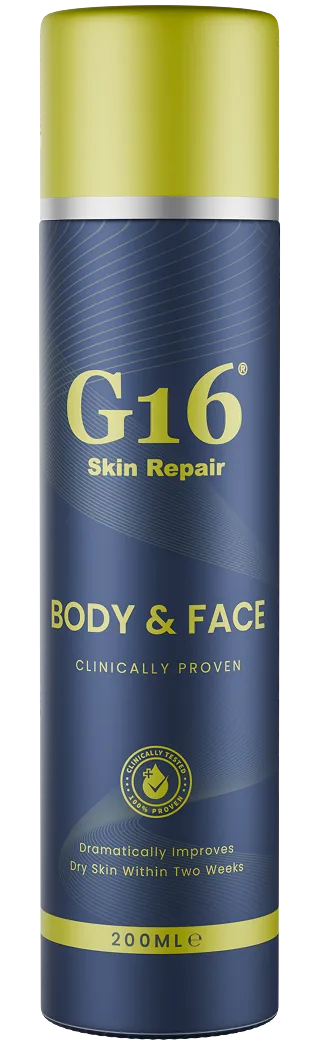
G16 Skin Repair Lotion is a cosmetic moisturiser. Patch test on a small area before first use, keep it away from the eyes and mucous membranes, and keep it out of reach of children. If your skin is broken, bleeding or infected, or if it gets worse rather than better, speak to a GP or a dermatologist.
