



AmLactin is a 12 per cent lactic acid lotion, an alpha hydroxy acid (AHA) that loosens dead skin across the surface and hydrates at the same time, while salicylic acid is a beta hydroxy acid (BHA) that dissolves in oil and works down into pores and hair follicles. Lactic acid tends to suit dry, rough, flaky skin; salicylic acid tends to suit bumpy, red or breakout-prone skin. Many people do best with one of each, used carefully.
This page compares the two ingredients rather than particular products. AmLactin is one well-known way to get lactic acid, but salicylic acid comes in dozens of forms: body washes, creams, toners, pads and spot treatments. Understanding what each acid actually does helps you pick the right one whichever brand you buy. If you are weighing up AmLactin against one specific salicylic body cream, our AmLactin vs CeraVe SA guide covers that product match-up.
Two different kinds of acid
Lactic acid: water-soluble and hydrating
AmLactin supplies lactic acid as ammonium lactate, a buffered form that is a little gentler on the skin than free acid. Lactic acid is water-soluble, so it acts on the surface layer of dead cells, weakening the bonds that hold them together so they shed evenly instead of building up. It is also part of the skin's own natural moisturising factor, which makes it a humectant: it draws water into the outer layer as it works. That double action, exfoliating and hydrating, is why lactic acid lotions are a long-standing choice for rough, dry body skin.
Salicylic acid: oil-soluble and calming
Salicylic acid is chemically different. Because it dissolves in oil, it can travel through the sebum inside a pore or follicle and loosen the plug of keratin and oil sitting there. It is also related to aspirin and has a mild anti-inflammatory effect, which is why it is so widely used for acne and for red, irritated bumps. In UK cosmetics it is usually found at up to 2 per cent. Higher strengths exist, mostly in medicated products used under pharmacist or medical guidance on thick, scaly skin.
| Lactic acid (AmLactin) | Salicylic acid | |
|---|---|---|
| Acid type | AHA | BHA |
| Dissolves in | Water | Oil |
| Where it works | Across the surface of the skin | Inside pores and follicles, as well as the surface |
| Hydrating? | Yes, it is a humectant | No, and it can be drying |
| Calming? | Not particularly | Mildly anti-inflammatory |
| Typical body strength | 12 per cent in AmLactin | 0.5 to 2 per cent in cosmetics |
| Sun sensitivity | Yes, clearly | Less than AHAs |
| Main cautions | Stings on broken or shaved skin | Aspirin allergy, very large areas, young children, pregnancy |
Which skin suits which acid?
Lean towards lactic acid if your skin is:
- Dry and tight as well as rough.
- Sandpapery or flaky over large areas, such as the shins, arms or back.
- Showing fine scale between the follicles, not just on them.
- Prone to feeling stripped by washes and toners.
Lean towards salicylic acid if your skin is:
- Bumpy, with one small raised plug per hair follicle, as in keratosis pilaris.
- Red or inflamed around the bumps.
- Oily or prone to blackheads and spots, including on the chest, shoulders and back.
- Not especially dry, so a slightly drying ingredient is not a problem.
Keratosis pilaris is the classic grey area, because it often comes with both bumps and generally dry skin. Salicylic acid targets the follicle plugs; lactic acid smooths and hydrates the skin around them. Neither makes the tendency go away. Both can make the skin look and feel smoother while you keep using them.
Format matters with salicylic acid. A salicylic body wash is rinsed off within a minute, so it is gentle but limited. A leave-on salicylic cream or lotion has far more contact time. If a wash has not made much difference, a leave-on product at a similar strength is the logical next step before reaching for anything stronger.
Can you layer lactic acid and salicylic acid?
Yes, with care. The two acids work in different places, so they complement each other, but acid on acid adds up and irritation is the usual result of rushing. A sensible approach:
- Start with one. Use it for two weeks so you know how your skin responds.
- Add the second on different days or at a different time. For example, a salicylic wash or cream in the morning and the lactic acid lotion at night.
- Or split by area. Salicylic acid on bumpy upper arms, chest or back; lactic acid on dry shins and the rest of the body.
- Avoid stacking both on the same patch at full strength until you know your skin tolerates it.
- Back off at the first sign of trouble. A brief tingle is common. Persistent burning, redness or raw patches mean stop and use a plain emollient until it settles.
Safety points specific to salicylic acid
Salicylic acid is safe for most adults at cosmetic strengths, but a few cautions apply that do not apply to lactic acid:
- Aspirin allergy: salicylic acid is closely related to aspirin, so speak to a pharmacist first.
- Very large areas: applied over much of the body, especially at higher strengths or under occlusion, enough can be absorbed to cause side effects. Body lotions are designed with this in mind, but strong medicated products are not for whole-body use without advice.
- Children: UK and EU rules restrict salicylic acid in products for children under three, and it is best avoided on young children's skin without medical advice.
- Pregnancy and breastfeeding: check with a pharmacist or midwife before using leave-on salicylic products over large areas.
On sun sensitivity, lactic acid is the bigger concern. AHAs thin the protective outer layer and make skin burn more easily, so sunscreen on exposed treated areas is needed while using AmLactin and for about a week after stopping. Salicylic acid is considered less photosensitising, though freshly exfoliated skin of any kind deserves sunscreen.
Where G16 fits, and where it does not
G16 Skin Repair is on the AHA side of this comparison. Glycolic acid is the second ingredient after water, with lactic acid behind it, so it uses two AHAs rather than AmLactin's one. It contains no salicylic acid. The acids loosen built-up dead skin so it lifts away, while aloe vera, glycerin, panthenol, allantoin, vitamin E and shea butter hydrate underneath. It is a light, non-greasy 200ml lotion, made in the UK.
It suits heavy, built-up scale and roughness across larger areas, where a surface-acting AHA is the right type of ingredient. Used twice daily and left on as long as possible, ideally around ten hours, there is usually a flakier phase around day five to seven and a visible difference typically within the first two weeks. The full course is 28 days.
Where it is not the right tool: for red, inflamed follicle bumps, spots or oily, breakout-prone skin, a salicylic product does a job G16 is not designed for, and inexpensive salicylic creams and washes are widely available. G16 is also the most expensive option here. It increases sun sensitivity, is not for broken, cracked, inflamed or infected skin, and acid lotions are not for babies or infants without medical advice. Patch test first.
When to see a GP
- Bumps that are painful, pus-filled, hot or spreading, which may be folliculitis or an infection.
- Acne that is leaving scars, is deep and painful, or is affecting your mood.
- Rough, scaly skin present since childhood across large areas, which may be a form of ichthyosis.
- Skin that becomes red, raw or blistered after using an acid product.
- Any rough or bumpy skin in a baby or young child, before using acids.
Common questions
It depends on how the skin looks. If the bumps are red and inflamed, salicylic acid works into the follicle and calms it a little. If the skin around them is dry and rough, lactic acid smooths and hydrates. Many people use both, on alternate days or different areas.
The classic AmLactin lotion is built around lactic acid as ammonium lactate, not salicylic acid. The brand has several products and formulations change, so check the ingredient list on the specific pack if you want to know exactly what is in it.
Yes, but introduce them one at a time and alternate rather than layering at first, for example salicylic acid in the morning and lactic acid at night, or on different body areas. Keep both off broken skin and use sunscreen on exposed areas while using the lactic acid.
On dry skin, lactic acid usually feels gentler because it hydrates as it works, although it can sting on cracked or freshly shaved skin. Salicylic acid is used at much lower strengths and calms redness, but it can be drying. Which feels gentler depends on whether your skin is dry or oily.
It is one of the most common over-the-counter choices for spots on the chest, shoulders and back, because it works into the pore. A wash or leave-on product used regularly is the usual approach. Deep, painful or scarring acne is worth showing to a GP, who can offer prescription options.
The product behind this guide
G16 Skin Repair is a glycolic and lactic acid body lotion for built-up, scaly and thickened skin.
200ml. Made in the UK. 21 day money back guarantee.
Compare creams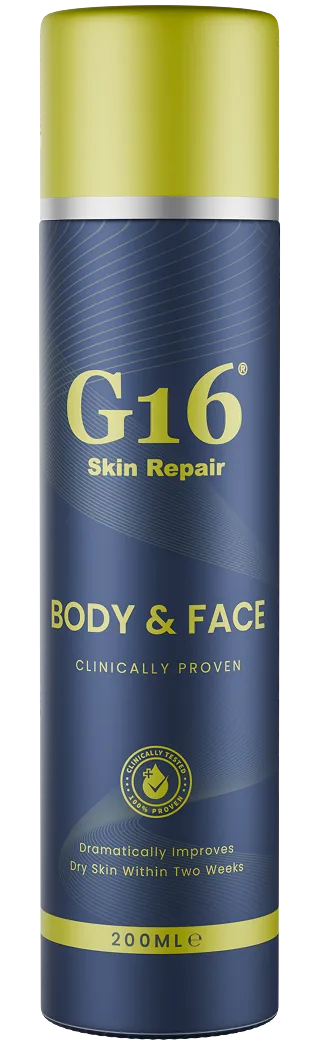
G16 Skin Repair Lotion is a cosmetic moisturiser. Patch test on a small area before first use, keep it away from the eyes and mucous membranes, and keep it out of reach of children. If your skin is broken, bleeding or infected, or if it gets worse rather than better, speak to a GP or a dermatologist.
