



Dry knuckles are caused by the same things that dry out the rest of the hands (washing, cold, detergents and sanitiser), but the skin over the knuckles also stretches and folds every time you make a fist, so once it is dry it splits far more easily. The fix is to keep that skin supple: moisturise after every wash, use a thick ointment at night, and wear gloves for wet work and cold weather. Knuckles that stay red, itchy, scaly or cracked despite this are often hand dermatitis or psoriasis and worth showing to a GP.
This page looks closely at the knuckles, the fingertips and the skin between the fingers. For the hands as a whole, including handwashing routines and choosing a hand cream, see our guide to dry skin on hands.
Why the knuckles dry out first
The skin over the knuckles is a little different from the skin around it. It sits over bone with very little padding, it has to stretch a long way when the finger bends, and it relaxes into folds when the finger straightens. The backs of the hands also have relatively few oil glands.
When that skin loses water and oils, it becomes stiff. Stiff skin cannot stretch, so instead of flexing it cracks along the lines of the folds. Each crack lets more water escape, and every time you bend your fingers it reopens. That is why dry knuckles can go from rough to bleeding in a few cold days.
- Washing and sanitiser strip lipids from the skin many times a day.
- Cold, wind and low humidity pull water from the surface.
- Detergents and wet work, such as washing up, cleaning, hairdressing and catering, are common triggers.
- Friction and pressure, from tools, sport or leaning on the hands, can thicken the knuckle skin over time.
- Underlying skin conditions, including eczema and psoriasis, often show up on the knuckles first.
Knuckles dry and cracked
Cracks over the knuckles are painful because they open with every movement. They need protecting and sealing rather than exfoliating.
- Wash gently in lukewarm water with a mild soap or soap substitute, and pat the knuckles dry.
- Apply a thick, bland emollient or ointment straight away, and several times through the day. Petroleum jelly or a paraffin-based ointment works well on cracks.
- Treat overnight. A generous layer of ointment under cotton gloves for a few nights lets the skin soften and close.
- Cover deep splits with a plaster or liquid plaster during the day to stop them reopening.
- Keep stinging products off open cracks, including acid lotions and high-strength urea, until the skin has closed.
- Wear gloves for wet work, cleaning and cold weather.
Seal first, smooth later. Cracked knuckles need a plain, greasy barrier until the splits close. Only once the skin is intact does it make sense to tackle any rough, thickened layer left behind. Using an exfoliant on open cracks slows things down and stings.
Thickened skin on the knuckles and fingertips
Some people do not have cracks so much as rough, hard, slightly thickened skin over the knuckles or on the fingertips. This is usually the skin protecting itself from repeated friction, pressure or wetting and drying.
- Thickening of the skin on the fingertips is common in guitarists and other string players, people who type heavily, gardeners, builders and anyone who handles rough materials. It is usually harmless and softens if the activity stops.
- Fingertip skin that peels, splits and thickens, especially on the thumb and first two fingers of the dominant hand, can be a form of hand dermatitis, sometimes called fingertip eczema.
- Thick, scaly, well-defined patches over the knuckles, sometimes with pitted or crumbly nails, may be psoriasis.
- Rough, leathery skin from rubbing or scratching can build up over time, and needs the itch dealt with as well as the dryness.
Where the thickened skin is intact and not inflamed, a product that loosens built-up dead skin can help it soften, alongside a daily moisturiser. Our guide to thickened skin explains the options in more depth.
Dryness between the fingers
The skin in the webs between the fingers is thin and often stays damp after washing, because it is awkward to dry. Water that sits there and then evaporates leaves the skin drier than before, and soap or detergent trapped there irritates it.
- Dry carefully between each finger after washing.
- Remove rings before washing and wet work, since water and soap trapped underneath are a common trigger.
- Moisturise into the webs, not just the backs of the hands.
- If the skin between the fingers is red, itchy and sore, it is often irritant dermatitis.
- Intense itching between the fingers, worse at night, with small lines or bumps, can be scabies. See a pharmacist or GP, especially if others in the house are itchy.
| What you see | Where | Likely cause |
|---|---|---|
| Rough, tight, splits when bending | Over the knuckles | Dry skin losing flexibility |
| Hard, smooth, thickened skin | Fingertips, knuckles | Friction or pressure |
| Peeling, splitting fingertips | Thumb and first fingers | Fingertip dermatitis |
| Red, itchy, sore skin | Between the fingers | Irritant dermatitis |
| Thick, silvery or well-defined scaly patches | Knuckles, with nail changes | Possible psoriasis |
| Firm, raised, painless pads | Over finger joints | Knuckle pads |
Knuckle pads and darker knuckles
Knuckle pads are firm, smooth, painless thickenings over the middle or end finger joints. They often run in families, can appear with repeated knuckle cracking, boxing or other pressure, and are harmless. Moisturisers and exfoliants make little difference to them, as the thickening sits deeper in the skin. A GP can confirm what they are if you are unsure.
Darker knuckles are very common, particularly on deeper skin tones, where the skin over the joints is naturally a little darker. Friction, dryness and rubbing can make this more noticeable, and thickened, rough skin tends to look darker than smooth skin. Keeping the area moisturised, smoothing any rough build-up gently and wearing sunscreen on the backs of the hands can help it look more even. Darkening that appears suddenly, spreads to the neck, armpits or elsewhere, or comes with other symptoms is worth mentioning to a GP, as it can occasionally be linked to conditions such as insulin resistance.
Where G16 fits, and where it does not
G16 Skin Repair is a light, non-greasy body lotion with glycolic acid as its second ingredient and lactic acid behind it, plus aloe vera, glycerin, panthenol, allantoin, vitamin E and shea butter. It loosens built-up dead skin so it lifts away while hydrating underneath. On the hands, it suits rough, thickened, intact skin over the knuckles or on the fingertips, where a plain hand cream softens the surface for an hour but the hard layer stays put.
Hands are washed often, so reapply after washing and get the most from it with a layer at night. There is usually a flakier phase around day five to seven, and a visible difference typically within the first two weeks. Patch test first, keep it away from the eyes, and use sunscreen on the backs of the hands, as AHAs increase sun sensitivity.
Where it does not belong: on cracked, split, bleeding, raw or inflamed knuckles, which need a bland ointment until they close. It will not change knuckle pads. For simple dry knuckles, an inexpensive pharmacy ointment and a hand cream after every wash are all most people need, and G16 is the most expensive option compared with pharmacy creams.
When to see a GP
- Cracks that bleed, keep reopening, or show signs of infection such as pus, warmth or spreading redness.
- Knuckles that are red, itchy, blistered or weeping, or not improving after two weeks of careful moisturising.
- Thick, scaly, well-defined patches, or changes to the nails.
- Peeling, splitting fingertips that keep returning.
- Intense itching between the fingers, especially at night.
- Darkening of the skin that is new, spreading, or appears in skin folds elsewhere.
Common questions
Knuckle skin is thin, has few oil glands and stretches every time you bend your fingers. Washing, sanitiser, cold weather and detergents dry it out, and stiff dry skin then cracks along the folds. Moisturising after every wash and wearing gloves usually helps quickly.
Seal them. A thick, plain ointment several times a day and under cotton gloves overnight, with deep splits covered during the day. Avoid acids and strong urea on open cracks. If they bleed or look infected, see a GP.
Usually from repeated friction or pressure, such as playing a string instrument, manual work or gardening. That is harmless. If the fingertips also peel, split and feel sore, it may be fingertip dermatitis, which is worth showing to a pharmacist or GP.
The skin there is thin and often left damp after washing, and soap can get trapped under rings. Dry carefully between each finger and moisturise into the webs. Intense itching there, worse at night, should be checked for scabies.
It is often natural, especially on deeper skin tones, and friction and dry, rough skin make it more obvious. Moisturising, gentle smoothing and sunscreen can even it out. New or spreading darkening in skin folds elsewhere is worth mentioning to a GP.
The product behind this guide
G16 Skin Repair is a glycolic and lactic acid body lotion for built-up, scaly and thickened skin.
200ml. Made in the UK. 21 day money back guarantee.
Dry skin treatment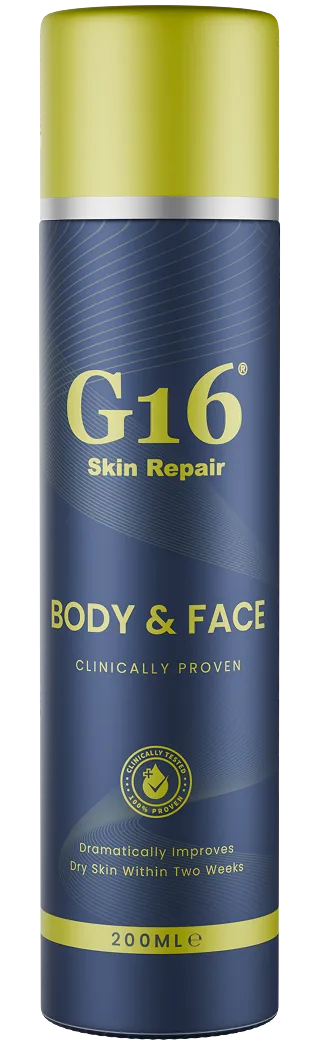
G16 Skin Repair Lotion is a cosmetic moisturiser. Patch test on a small area before first use, keep it away from the eyes and mucous membranes, and keep it out of reach of children. If your skin is broken, bleeding or infected, or if it gets worse rather than better, speak to a GP or a dermatologist.
