


AmLactin uses lactic acid, a water-soluble alpha hydroxy acid (AHA) that loosens dead skin across the surface, while CeraVe SA uses salicylic acid, an oil-soluble beta hydroxy acid (BHA) that works into the pore, alongside ceramides for the barrier. For the small rough bumps of keratosis pilaris, CeraVe SA is a cheap and sensible first try; for dry, rough or flaky skin spread across the legs, arms or body, an AHA lotion such as AmLactin is usually the closer fit.
Both are exfoliating body moisturisers rather than plain creams, and both are popular for "chicken skin" and rough patches. The difference is where each acid does its work, and that decides which suits which problem.
AHA vs BHA: the difference that matters
Lactic acid in AmLactin
AmLactin is an American brand built around lactic acid, supplied as ammonium lactate. The classic Daily Moisturizing Lotion is 12 per cent. Lactic acid is water-soluble, so it acts on the surface layer of dead cells, weakening the bonds that hold them together so they shed more evenly. It is also a humectant, drawing water into the skin as it works, which is why it suits skin that is both rough and dry.
Salicylic acid in CeraVe SA
The SA in CeraVe's product names stands for salicylic acid. The two you will see most in the UK are the SA Smoothing Cream and the SA Cream for Rough & Bumpy Skin. Salicylic acid is oil-soluble, so it can travel into the hair follicle and pore, where the keratin plugs of keratosis pilaris sit. CeraVe pairs it with ceramides, which support the skin barrier, and the creams are widely available and inexpensive. As always, check the pack: formulations change.
| AmLactin | CeraVe SA | |
|---|---|---|
| Active ingredient | Lactic acid as ammonium lactate (AHA) | Salicylic acid (BHA) plus ceramides |
| Solubility | Water-soluble | Oil-soluble |
| Where it works | Across the surface layer of dead skin | Into the pore and follicle |
| Extra benefit | Humectant, so it also hydrates | Ceramides support the barrier |
| Usually chosen for | Rough, dry, flaky skin over larger areas | Keratosis pilaris bumps on arms and thighs |
| Sun sensitivity | Yes, as with all AHAs | Less pronounced, but sunscreen is still sensible on treated skin |
| UK availability | Inconsistent, usually imported | Any pharmacy or supermarket |
Keratosis pilaris vs body-wide roughness
The easiest way to choose is to look closely at what your skin is doing.
- Small raised bumps, one per hair follicle, mostly on the backs of the upper arms, thighs or buttocks, sometimes with redness around each one. That is the pattern of keratosis pilaris, where keratin plugs the follicle. A BHA that reaches into the pore is a logical fit, and CeraVe SA is the obvious inexpensive starting point. Our guide on how to get rid of keratosis pilaris covers the condition in more depth.
- Rough, dry, sandpapery skin spread evenly across the shins, arms or back, with visible flaking or fine scale between the follicles as well as on them. That is a surface build-up problem, and a water-soluble AHA that works across the whole surface tends to make the bigger difference.
- Both at once. Common, especially in people with dry skin generally. This is where combining the two makes sense.
Keratosis pilaris does not go away with any cream. It is a lifelong tendency in many people, often improving with age. Exfoliating products can make the bumps flatter and smoother while you use them, but they return when you stop. Choose something you can afford to keep using.
Can you use AmLactin and CeraVe SA together?
Yes. An AHA and a BHA work in different places, so many people use both. The main risk is irritation from too much acid on the same skin, so:
- Alternate rather than layer. One in the morning and the other at night, or on alternate days, is gentler than applying both at once.
- Split by area. CeraVe SA on bumpy upper arms and thighs, the lactic acid lotion on rough shins and the rest of the body.
- Introduce one at a time. Give the first product a week or two before adding the second, so you know which one is responsible if your skin reacts.
- Back off if it stings for long. A brief tingle is common. Persistent burning, redness or broken skin means stop and let the skin recover.
Salicylic acid is related to aspirin. If you are allergic to aspirin, are pregnant or breastfeeding, or are thinking of applying it over large areas of skin, check with a pharmacist first.
Sun sensitivity
AHAs such as lactic and glycolic acid make skin more sensitive to the sun, because they thin the outer layer of dead cells that partly shields the skin. That effect lasts for a while after you stop. Salicylic acid is generally considered less photosensitising, but freshly exfoliated skin of any kind burns more easily. The practical rule is the same for both: use sunscreen on any treated area that will be exposed, which in summer means arms and legs as well as the face. Applying acid lotions at night helps.
Where G16 fits, and where it does not
G16 Skin Repair sits on the AHA side of this comparison, like AmLactin, but with two acids instead of one. Glycolic acid, the smallest alpha hydroxy acid, is the second ingredient after water, and lactic acid follows. They loosen built-up dead skin so it lifts away, while aloe vera, glycerin, panthenol, allantoin, vitamin E and shea butter hydrate underneath. It is a light, non-greasy lotion in a 200ml bottle, made in the UK.
It is aimed at heavy, built-up scale across larger areas: thickened, fish-scale or plate-like patches on legs, arms and torso that other lotions soften but do not shift. Used twice daily and left on as long as possible, ideally around ten hours, most people see a flakier phase around day five to seven, and a visible difference typically within the first two weeks. The full course is 28 days.
Where it is not the right tool: for keratosis pilaris on its own, CeraVe SA is much cheaper and a reasonable first choice, and G16 is the most expensive option here. It is not for broken, cracked or infected skin, it increases sun sensitivity, and acid lotions are not for babies or infants without medical advice. For the full picture, see our comparison of dry skin creams.
When to see a GP
- Bumps that are painful, pus-filled, spreading or hot, which may be folliculitis or an infection rather than keratosis pilaris.
- Rough, scaly skin that has been present since childhood across large areas, which may be a form of ichthyosis.
- Red, inflamed, weeping or cracked skin, or skin that reacts badly to an exfoliant.
- Itching that disturbs sleep or does not settle with regular moisturising.
- Any rough or bumpy skin in a baby or young child: speak to your GP or health visitor before using acids.
- A patch that is changing, bleeding or not healing.
Common questions
Both are widely used. CeraVe SA's salicylic acid is oil-soluble and works into the follicle where the keratin plug sits, and it is cheap and easy to buy in the UK, so it is a sensible first try. AmLactin's lactic acid works across the surface and hydrates, which helps if the skin around the bumps is also rough and dry. Some people use both.
Alpha hydroxy acids such as lactic and glycolic acid are water-soluble and loosen dead cells across the surface of the skin. Beta hydroxy acid, which in skincare means salicylic acid, is oil-soluble and can work into pores and follicles. AHAs suit surface roughness and scale; BHA suits clogged follicles and bumps.
You can, but alternating is gentler than layering. Try one in the morning and the other at night, or use CeraVe SA on bumpy areas and the lactic acid lotion elsewhere. Introduce them one at a time, patch test, keep off broken skin, and use sunscreen on treated areas that will see the sun.
Less than AHAs do, which are well known for increasing sun sensitivity. Even so, any freshly exfoliated skin is more vulnerable to burning, so sunscreen on exposed treated areas is sensible whichever acid you use. Applying acid lotions in the evening also helps.
It can help with general roughness, and the ceramides support the barrier. For heavy, sheet-like or plate-like scale across the legs and body, though, an AHA-led lotion that works across the whole surface is generally the better fit. If scaling has been lifelong and widespread, it is worth asking a GP whether it could be ichthyosis.
The product behind this guide
G16 Skin Repair is a glycolic and lactic acid body lotion for built-up, scaly and thickened skin.
200ml. Made in the UK. 21 day money back guarantee.
Compare creams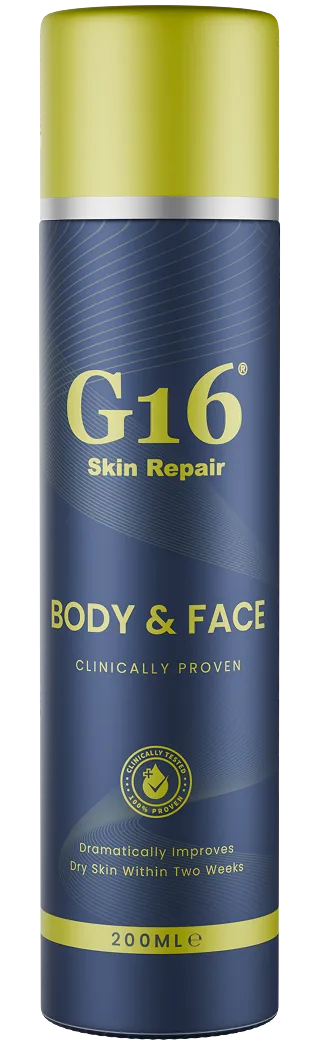
G16 Skin Repair Lotion is a cosmetic moisturiser. Patch test on a small area before first use, keep it away from the eyes and mucous membranes, and keep it out of reach of children. If your skin is broken, bleeding or infected, or if it gets worse rather than better, speak to a GP or a dermatologist.
